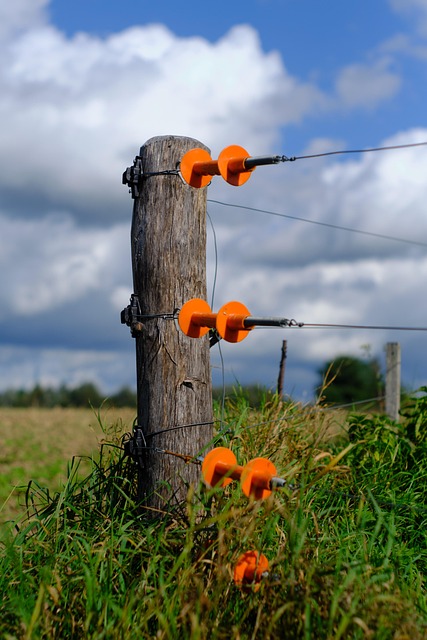
“Revitalize your wooden fence and protect it from the elements with expert guidance on fencing maintenance. This comprehensive article reveals the secrets to achieving a stunning finish through effective stain and sealing techniques. We’ll explore the benefits of fencing staining, from enhancing aesthetics to safeguarding wood against decay. You’ll discover how to choose the perfect color and finish that complements your space, ensuring long-lasting results. Preparation is key; we’ll teach you how to clean, repair, and properly apply stain for even coverage. Additionally, learn the best sealing practices to protect your fence from moisture and UV damage. By following these steps, you can transform your outdoor structure into a striking focal point while ensuring its longevity.”
- Understanding Fence Staining: Benefits and Types
- Choosing the Right Stain: Color, Finish, and Compatibility
- Preparation is Key: Cleaning and Repairing Wood Fences
- Applying Stain: Techniques for Even Coverage
- Sealing for Protection: Best Practices and Products
- Maintenance and Touch-Ups: Ensuring Longevity of Your Fence
Understanding Fence Staining: Benefits and Types
Understanding Fence Staining: Benefits and Types
Fence staining is a popular choice for homeowners looking to enhance the appearance of their wooden fences. It’s not just about aesthetics; proper staining offers numerous benefits that extend the life of your fence, protect it from the elements, and increase its durability. By sealing in the wood’s natural oils, stains create a protective barrier against water, UV rays, and extreme temperatures, preventing rot, cracks, and peeling. This process is crucial for maintaining the structural integrity of your fence over time.
There are several types of fence staining options available, each with unique characteristics:
1. Water-Based Stains: These stains are environmentally friendly and easy to clean up. They penetrate the wood slightly, enhancing its natural grain while offering moderate protection against water damage. However, they may not be as effective against UV rays compared to other types.
2. Oil-Based Stains: Known for their rich color and deep penetration into wood, oil-based stains provide excellent protection against moisture and sun damage. They create a durable finish that can last up to several years, making them popular choices for high-traffic areas or where aesthetics are paramount.
3. Semi-Transparent Stains: These offer a balance between appearance and protection. They allow some light penetration, preserving the wood’s natural look while providing moderate resistance to water and UV rays. Semi-transparent stains are ideal for those seeking a subtle enhancement without altering the fence’s original color too much.
Choosing the Right Stain: Color, Finish, and Compatibility
When it comes to fencing, choosing the right stain is key. It’s not just about picking a color; it involves understanding your wood type, desired finish, and compatibility with existing treatments. Let’s break this down for optimal results.
First off, consider the natural characteristics of your wood. Light-colored woods like cedar and pine absorb stain differently than darker hardwoods. A lighter stain might be suitable for cedar to highlight its natural grain, while a darker shade can enhance the beauty of oak’s unique patterns. Additionally, understand that some stains are designed specifically for sealing and protecting against moisture, ideal for regions with high rainfall or humidity.
Finish is another crucial aspect. You’ll typically find semi-transparent, transparent, and solid (or opaque) finishes. Semi-transparent stains allow some wood grain to show through while providing a subtle color boost. Transparent options offer better protection but maintain the natural look of the wood. Solid finishes create a rich, vibrant hue but may require more maintenance over time as they hide the wood’s natural characteristics.
Compatibility is also vital. Always check that your chosen stain is compatible with any sealant or finish you’ve previously applied to your fence. Using an incompatible product could lead to poor adhesion and premature fading. It’s a good practice to test a small, hidden area of your fence before applying the stain across the entire surface.
Preparation is Key: Cleaning and Repairing Wood Fences
Preparing your wooden fence for staining or sealing is a crucial step that ensures long-lasting, beautiful results. Before you begin, thoroughly clean the fence to remove dirt, mildew, and other debris. This process involves sweeping or brushing the fence to eliminate loose particles and using a pressure washer to tackle stubborn stains and grime. It’s also essential to assess and repair any damaged areas, such as split boards or peeling paint.
Start by inspecting the entire fence for signs of wear and tear. Replace any rotten or missing boards, and fill in gaps with new wood to maintain structural integrity. For loose or peeling paint, use a scraper to remove it down to the bare wood, then sand the area smooth. This meticulous preparation not only enhances the aesthetics of your fence but also improves the adhesion of the stain or sealant, ensuring a more durable finish.
Proper cleaning and repair go beyond just aesthetics; they’re critical for protecting your wooden fence from environmental elements like moisture, UV rays, and insects. By addressing these issues upfront, you’re investing in the longevity of your fence, preventing premature aging, and ensuring it retains its beauty and value over time.
Applying Stain: Techniques for Even Coverage
Applying Stain: Techniques for Even Coverage
Staining a wooden fence is an art that requires precision and patience to achieve a beautiful, even finish. The key to successful staining lies in thorough preparation and meticulous application techniques. By following these steps, you can ensure your fence not only looks stunning but also lasts longer due to the protective seal provided by the stain.
First, clean the fence thoroughly to remove any dirt, dust, or debris. This is crucial as stains won’t adhere well to unclean surfaces. After cleaning, use a fine-grit sandpaper to roughen the wood slightly, creating a texture that helps the stain penetrate better. Always follow the manufacturer’s instructions when preparing your staining materials, ensuring you mix any required components correctly.
When applying the stain, start at one corner of the fence and work in small sections, typically about 2–3 feet wide. Use a brush or a roller, depending on the size of the area. For detailed corners and edges, a brush is ideal due to its precision. For larger, flat surfaces, a roller can save time and ensure even coverage. Apply the stain evenly, avoiding heavy buildup in any areas, which could lead to streaking. If using a roller, re-dip it frequently into the stain to maintain an even coat thickness.
Regular breaks are essential during application. Not only do they give your eyes a rest from focusing on such minute details, but they also allow the stain to dry slightly between coats, preventing lap marks and ensuring smooth blending.
Sealing for Protection: Best Practices and Products
Wooden fences are a beautiful addition to any outdoor space, but they require regular maintenance to protect against the elements. Sealing is an essential step in preserving the integrity and appearance of your fence. This process creates a protective barrier, shielding the wood from water damage, UV rays, and pests. By sealing your wooden fence, you’re not just enhancing its aesthetics; you’re ensuring its longevity.
The best sealants for wooden fences are typically based on either oil or polyurethane. Oil-based sealers penetrate deep into the wood, protecting it from within, while polyurethane sealers form a hard, protective shell on top of the wood. Both options offer excellent water resistance and UV protection. When choosing a sealant, consider factors like climate, traffic, and desired finish. For areas with frequent rainfall or high humidity, a water-repellent sealer is crucial. In heavy traffic zones, opt for a durable, long-lasting formula that can withstand regular use.
Application is key to effective sealing. Before applying any product, clean the fence thoroughly to remove dirt, dust, and loose debris. This ensures better adhesion and even coverage. Use a brush or roller to apply the sealant in even strokes, following the manufacturer’s instructions for drying time. For optimal results, seal your fence at least once a year, or more frequently in harsh climates or for high-traffic areas. Regular sealing not only protects your fence but also allows you to enjoy its natural beauty for years to come.
Maintenance and Touch-Ups: Ensuring Longevity of Your Fence
Maintaining a wooden fence is an essential part of ensuring its longevity and preserving its aesthetic appeal. Fence staining and sealing are crucial processes that protect wood from the elements, enhancing its durability. Regular maintenance and touch-ups can prevent major repairs, saving you time and money in the long run.
Over time, exposure to sunlight, rain, and extreme temperatures can lead to wood decay, cracking, and fading. A quality fence stain creates a protective barrier by sealing the wood’s pores, repelling water, and blocking UV rays. This prevents moisture from seeping in and causing rot or warping. The right stain also fills in cracks and uneven areas, giving your fence an even, vibrant finish that enhances its natural beauty.
Touch-ups are especially important after harsh weather events or when certain sections of the fence show signs of wear. Instead of completely re-staining, focus on repairing damaged areas with a high-quality touch-up pen or brush. This targeted approach saves time and ensures your fence remains in top condition. Regular inspections allow you to catch small issues early, making repairs quick and straightforward. By staying on top of maintenance, you’ll enjoy the benefits of a beautiful, long-lasting wooden fence for years to come.
About the Author
Meet Sarah Thompson, a renowned Wood Finishing Specialist with over 15 years of experience. Certified by the National Woodcraft Association, she is known for her expert advice on fence staining and sealing techniques. Her work has been featured in Home & Garden Magazine, and she actively shares insights on LinkedIn. With a focus on both aesthetic beauty and protection, Sarah ensures wooden fences stand the test of time.
Related Resources
1. “Staining and Sealing Wood Fences” – Home Depot (Consumer Guide): [Offers a comprehensive DIY guide with step-by-step instructions and product recommendations.] – https://www.homedepot.com/c/staining-and-sealing-wood-fences
2. “Wood Fence Maintenance: Staining & Sealing” – The Balance Home (Lifestyle Website): [Provides practical tips and advice on maintaining wooden fences with a focus on staining and sealing.] – https://www.thebalancehome.com/wood-fence-maintenance-staining-and-sealing-2578431
3. “Best Practices for Fence Staining” – Sherwin-Williams (Paint Manufacturer): [Share expert insights and tips on choosing the right products and techniques for fence staining.] – https://www.sherwin-williams.com/how-to/fencing/best-practices-for-fence-staining
4. “The Ultimate Guide to Fence Sealing” – TimberTech (Outdoor Living Brand): [Offers an in-depth guide covering various sealing methods and products for wood fences.] – https://www.timberttech.com/blog/fence-sealing-guide/
5. “Wood Fence Care: Staining, Sealing & Maintenance” – Better Homes & Gardens (Lifestyle Magazine): [Presents a detailed article on caring for wooden fences, including staining and sealing techniques.] – https://www.bhg.com/gardening/outdoor-spaces/fences-and-gates/wood-fence-care-staining-sealing-maintenance/
6. “Choosing the Right Fence Sealer” – Extreme How-To (DIY Website): [Provides an unbiased comparison of different sealing products and helps users select the best option for their needs.] – https://www.extremehowto.com/projects/choosing-the-right-fence-sealer/
7. “Wood Fence Maintenance: A Comprehensive Guide” – National Association of Home Builders (Industry Organization): [Offers a professional perspective on maintaining wood fences, including staining and sealing practices.] – https://www.nahb.org/resources-and-research/home-improvement/wood-fence-maintenance-comprehensive-guide